



What Is the Difference Between Male and Female Industrial Connectors?
Male and female industrial connectors are designed to work together to create a reliable electrical or signal connection. A male connector contains exposed pins, while a female connector has matching sockets that receive those pins. Their different structures ensure secure mating, stable power or data transmission, and safer operation in industrial environments. Whether used in factory automation, heavy machinery, or control systems, choosing the correct connector type is essential for long-term performance. A professional Industrial Connectors Manufacturer can help users select the right connector based on electrical requirements, environmental conditions, and installation methods.
Understanding Male and Female Industrial Connectors
Industrial Connectors are widely used to connect electrical equipment, automation systems, and industrial machinery. They provide dependable power and signal transmission while allowing components to be connected and disconnected quickly during installation or maintenance.
A male industrial connector features conductive pins that insert into a matching female connector. These pins create the electrical pathway required for transmitting power or signals. Male connectors are commonly attached to cables or portable equipment where frequent connection is required.
A female industrial connector contains recessed contacts or sockets that receive the male pins. This design protects the conductive contacts from accidental damage and helps reduce the risk of exposure. Female connectors are often installed on machines, electrical panels, or fixed control cabinets.
Together, the two connector types form a complete connection system that ensures reliability, durability, and easy maintenance.
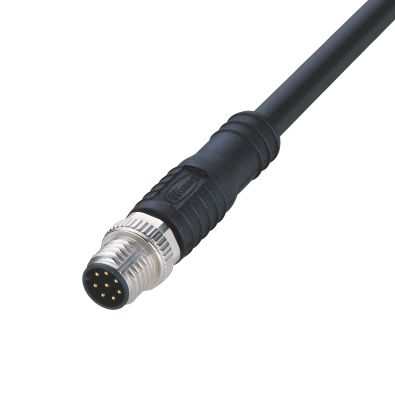
Key Differences Between Male and Female Connectors
Although they function as a pair, male and female connectors differ in several important ways.
The most obvious difference is the contact design. Male connectors use exposed pins, while female connectors use internal socket contacts. Because female connectors protect the conductive contacts inside the housing, they are commonly selected for equipment that remains energized during operation.
Installation is another difference. Male connectors are usually connected to movable cables, while female connectors are frequently mounted on equipment using a panel mount connector design. This arrangement improves accessibility and simplifies maintenance.
Their protective structures also vary. Many modern Industrial Connectors include a durable connector housing, waterproof seals, and a secure locking mechanism to resist vibration, dust, moisture, and harsh industrial environments.
Where Are Industrial Connectors Used?
Industrial connectors are used in a wide variety of industries, including manufacturing, robotics, renewable energy, transportation, telecommunications, and industrial automation.
Many electronic connectors share similar design principles with industrial connectors because both require stable electrical performance and reliable mechanical strength. Applications such as control systems, PLC equipment, servo motors, and sensors all depend on dependable connector solutions.
Some technologies are also similar to automotive connectors, which are designed to withstand vibration, temperature changes, and continuous operation inside vehicles. Although industrial and automotive applications differ, both require reliable electrical connections under demanding conditions.
Likewise, automotive electrical connectors and automotive wire connectors demonstrate how connector engineering has evolved to provide secure wiring, corrosion resistance, and long service life. These design concepts are also valuable in industrial equipment.
How to Choose the Right Industrial Connector
Choosing the right connector involves more than selecting a male or female design. Engineers should evaluate several technical factors before making a decision.
First, determine the required voltage and current ratings. The connector must safely handle the electrical load without overheating.
Next, consider the operating environment. For outdoor or harsh industrial applications, waterproof or IP67 connectors may be necessary to prevent dust and water ingress.
The connector type is equally important. Depending on the application, users may choose a circular connector, heavy duty connector, or another type of industrial electrical connector designed for power, signal, or data transmission.
Material selection also affects durability. High-quality contact materials, strong housings, and reliable locking systems help extend service life and reduce maintenance costs.
Why Work with an Industrial Connector Manufacturer?
Choosing an experienced Industrial Connector Manufacturer provides significant advantages. Professional manufacturers perform strict quality inspections and offer products that comply with international standards. They also provide technical support for selecting the appropriate connector configuration.
Many global buyers prefer working directly with Industrial Connector Manufacturers because they can supply customized products for different industries. OEM and ODM services, custom cable assemblies, and specialized connector designs are often available to meet unique project requirements.
A trusted Industrial Connectors Manufacturer can also recommend the best connector solution based on electrical performance, installation requirements, environmental protection, and long-term reliability.
Understanding the difference between male and female industrial connectors helps engineers, equipment manufacturers, and purchasing professionals select the right connection solution. Male connectors provide conductive pins, while female connectors securely receive those contacts to complete the electrical circuit. When combined with the appropriate connector type, housing, and protection level, they deliver reliable performance across industrial automation, manufacturing, energy, and transportation applications. Working with experienced Industrial Connector Manufacturers ensures consistent quality, dependable performance, and connector solutions tailored to your application.
FAQ
1. What is a male industrial connector?
A male industrial connector contains exposed conductive pins that connect with the sockets inside a female connector.
2. What is a female industrial connector?
A female connector contains recessed contacts that receive the pins of a male connector, providing additional protection.
3. Which connector is safer, male or female?
Female connectors are generally considered safer for fixed equipment because their contacts are protected inside the connector housing.
4. Can male and female industrial connectors be used interchangeably?
No. They are designed to mate with each other and cannot replace one another.
5. How do I choose the right industrial connector?
Consider voltage, current, environmental conditions, connector type, IP rating, and compatibility with your equipment before selecting an industrial connector.